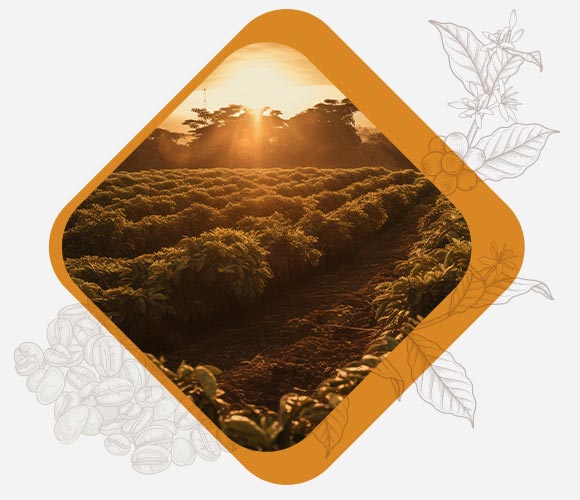
Colombia: a natural laboratory for coffee genetic innovation
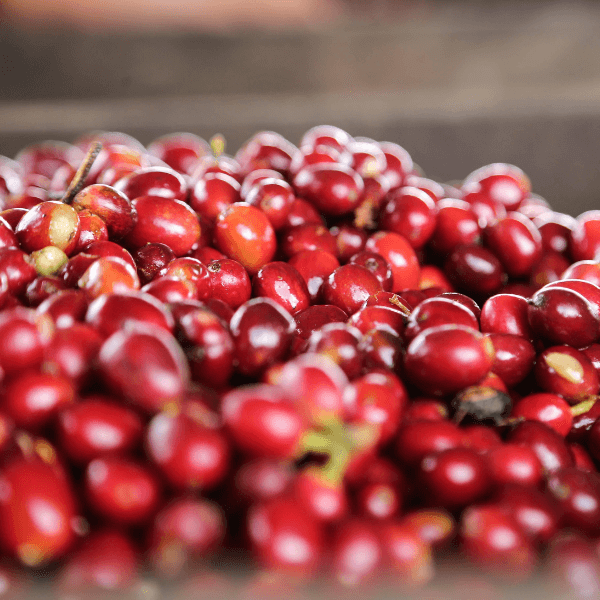
Colombia has become one of the heartlands of global coffee genetic evolution. In recent years, the country has continued to lead the way in discovering and breeding rare coffee varieties. From Powder Bourbon, Chili Bourbon, Cadura Chilloso, to Aruzzi, a series of local varieties with outstanding flavors have not only amazed the taste buds of cupping testers, but also put Colombia at the forefront of coffee breeding innovation, redefining the future of boutique coffee with its genetic code.
Gifts of nature: natural ecosystems that promote genetic mutation
Coffee’s genetic mutations are not accidental; they result from environmental stresses, natural cross-pollination and plant adaptation to specific soils, altitudes and microclimates. Colombia is blessed with volcanic soils, three-dimensional climate zones and rich biodiversity, creating a natural laboratory that continues to stimulate genetic variation.
The ultimate expression of terroir is found in the high altitude regions of Huilan and Antioquia. Mineral-rich soils and favorable rainfall produce coffees with outstanding aromas and bright, layered acidity. The expressive floral aromas and delicate flavors of the first micro-lot are reminiscent of Panama’s Cuisinart, but when tasted in detail, the distinctive terroir of Colombian coffees can be tasted.
Here, each coffee tree is writing its own evolutionary story. The keen coffee farmers are the first decoders of these “flavor miracles”. With generations of experience and a keen sense of the coffee tree, they accurately capture those “different” signals: coffee fruits of unusual color, elongated beans, or surprising flavor performance in the cup test, etc. These discoveries are followed up by selective selection of the coffee trees. These discoveries, followed by selective breeding and flavor verification, eventually lead to new varieties that are highly sought after on the international market.
Variety Stories: A Legend of Flavor between People and the Land
The birth of each new variety is a discovery, a persistence, and a moving story recorded by flavor.
– Pink Bourbon: Found in the Hyacinth region. It was found to be partially resistant to coffee leaf rust, and when tested in the cup, it released the sweet and silky taste of yellow fruit. When the first samples were sent to coffee exporters, its unique flavor quickly conquered coffee lovers all over the world, making it one of the “Colombian Innovations”.
– Pepper Bourbon: From the Pitalito and Brussels appellations. Local curry farmers have found that this variety gives a peppery, clove and cinnamon-like spiciness with herbal freshness when tested in the glass, making the flavor highly recognizable.
– Caduracilloso: found at high altitudes in the department of Antioquia (1950-2200 meters). This short-stemmed, bean-slimming variety is known for its lively, bright acidity and layered, complex bouquet. Internationally renowned after winning the 2014 Cup of Excellence competition.
– Aruzzi: also from Antioquia, not widely grown but recognized for its complex fruitiness and bright acidity. This confirms once again that there is still a lot of potential in the Colombian coffee gene pool that is waiting to be discovered.
From seed to cup: guarding genes to perpetuate flavor and value
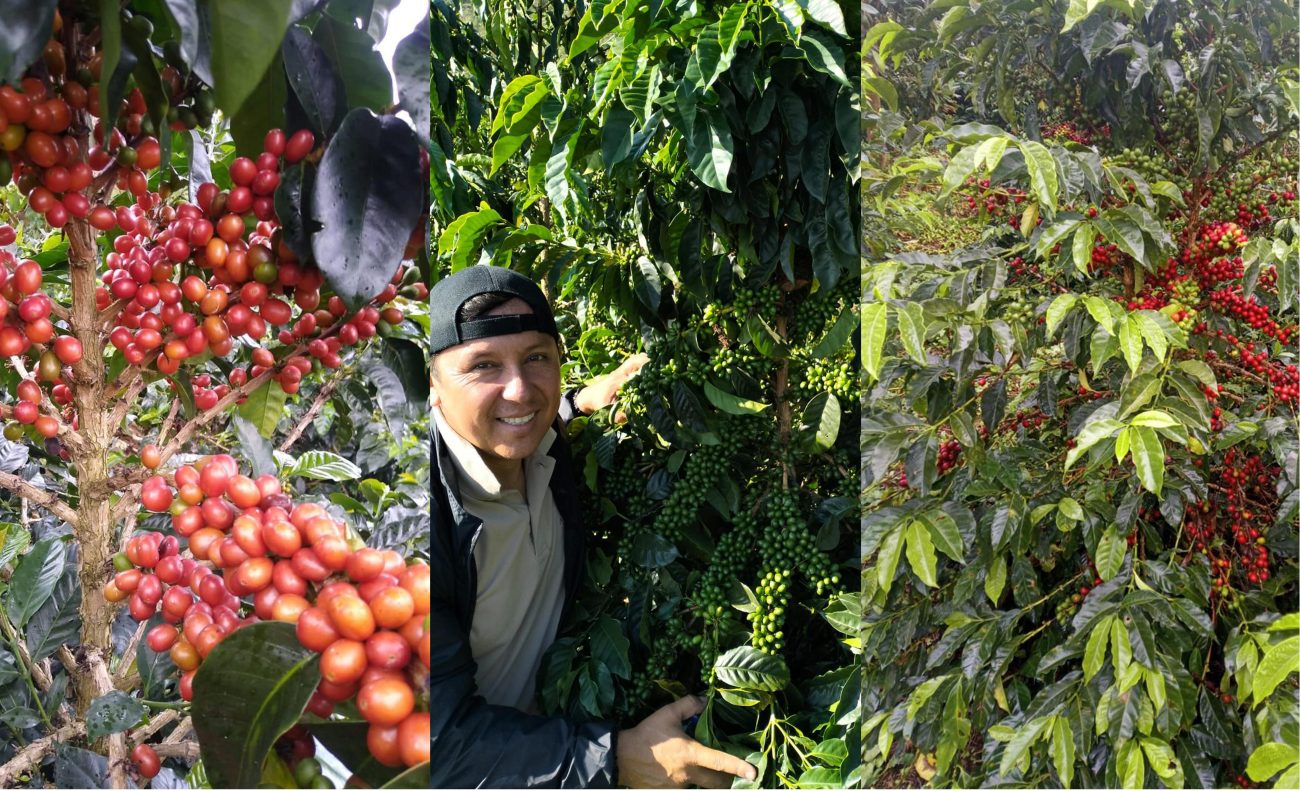
Recognizing the unique value of these rare varieties, local Colombian curry farmers have taken systematic action to safeguard these “flavor originals”. For example, the “Living Museum” project, promoted by Fabián Murcia, is dedicated to preserving the original plants in their blocks of origin, maintaining genetic purity and flavor stability. Each coffee tree is a “living genetic sample” whose growth and fruit characteristics are continuously recorded, providing a scientific basis for future breeding and quality control.
This guardianship has been transformed into real industrial value: rare varieties bring higher purchase prices, directly enhancing the income of coffee farmers; unique flavor labels to open new export markets, so that Colombia is more competitive in the international boutique coffee track; and the enhancement of international recognition, but also to promote the upgrading of agricultural practices in the producing areas, so that farmers pay more attention to ecological planting, the protection of biodiversity, forming a benign closed loop of “genetic innovation → quality improvement → ecological protection → value return”. “Genetic innovation → quality improvement → ecological protection → value return” benign closed loop.
Nowadays, more and more Colombian coffee farmers realize that guarding rare varieties and selecting and breeding new genes is not only a way to enhance the added value of coffee, but also a strategy to create an “exclusive business card” for their farms. In the increasingly competitive global boutique coffee market, these coffees “with a genetic story” make Colombian farms stand out as true “flavor creators”.
In Colombia, coffee is not only a crop, but also an evolutionary experiment written by nature and humanity. Every cup of coffee from this land carries a moving story of insight, persistence and commitment. This natural living genetic laboratory continues to cultivate new coffee varieties that subvert the senses, adding the unique colors of Colombia to the global map of fine coffee.